
 (EN)
(EN)
All That Glitters: Tiffany Takeover is Latest in Luxury
Written by Rita Silvan
Published on December 6, 2019
minute read
Share:


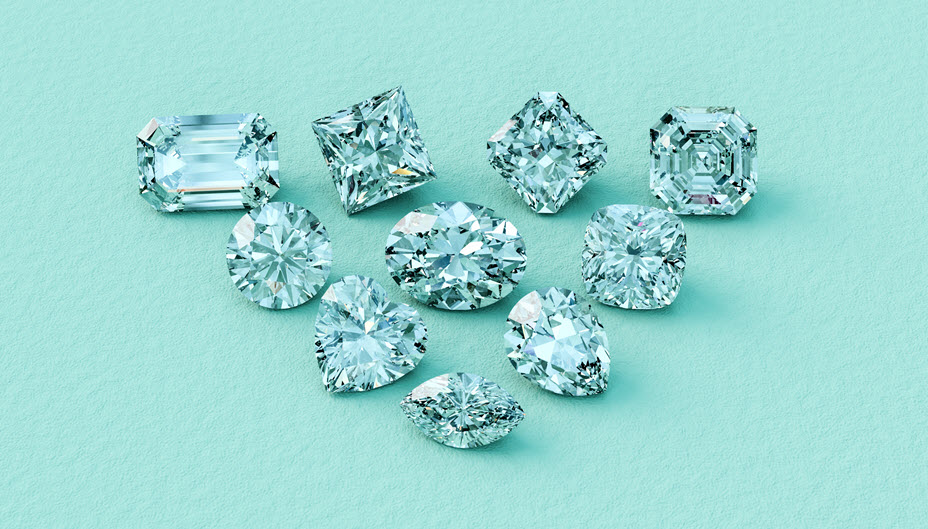
Tiffany, the storied American jeweller, recently agreed to be snapped up by French luxury conglomerate LVMH — owner of such brands as Louis Vuitton, Dom Pérignon, Christian Dior, Bulgari and TAG Heuer, among many others — for US$16.2 billion. What's helping the fine jewellery sector shimmer brightly lately? In addition to the obvious appeal of pretty, sparkly things, demographic and technological changes have been lending a hand.
The luxury segment covers a vast assortment of goods and services, such as cars, hotels, cruises, furniture, food and wine, yachts and jets, art, as well as personal goods like designer fashion, perfume and cosmetics, shoes, handbags, and jewellery and watches. Some of the fastest-growing segments are handbags, jewellery and shoes — with the latter two growing at a rate of around 10 per cent annually, according to consulting firm Bain. Globally, consumers are estimated to spend about US$41.6 billion for high-end jewellery.
Gen Luxe
Whereas previous generations purchased a diamond ring or an expensive watch to mark a milestone life event, like a marriage or a wedding anniversary, millennials and Gen Z have a more voracious appetite, which retailers have labelled the "millennialization of luxury." For starters, younger consumers look to luxury goods as a means of self-expression and self-realization — suitably captured on their social media feeds. High-earning consumers are attracted to branded jewellery from top firms rather than no-name artisan or heirloom pieces, because it better displays their new wealth.
A recent report by Euromonitor International predicts that the expansion of global wealth could bode well for the luxury market. By the end of 2018, there were 40 million affluent consumers, and this number is expected to grow to 53 million by 2022. (Affluent consumers are defined as those with personal wealth over US$1 million but less than US$5 million.)
According to Bain, 85 per cent of growth in the luxury market in 2017 came from Gen Y and Gen Z shoppers. Luxury jewellers have responded to this new clientele by changing their offerings to include high-end, streetwear-inspired pieces, promoted by ad campaigns featuring young Hollywood stars.
Fashionably late
The jewellery industry appears to be following closely on the high heels of transformations in the fashion industry over the past 30 years. These changes include consolidation, internationalization, e-commerce, and hybrid consumption patterns with costly designer fashion at one end of the shopping spectrum and cheaper-than-ever fast fashion at the other.
The acquisition of Tiffany is the latest example of a big conglomerate buying prestige brands to gain additional financial firepower and an expanded international distribution network. LVMH bought Italian luxury jeweller Bulgari in 2011, Swiss-based Swatch Group purchased Harry Winston in 2013 and Signet Jewelers purchased Ultra Diamonds in 2012.
Historically, consumers preferred to make high-end purchases like designer fashion and fine jewels in bricks-and-mortar locations. Increasingly, designer fashion brands have focused on building a strong brand identity that can be sold through any channel. They're also expanding their digital capabilities with functions such as reserve online/pick-up in store; some jewellery brands are also adopting this model.
More is more
The prices of designer goods are rising faster than the rate of inflation. This is good news for luxury companies. In 2019, despite the spectre of trade wars, a slowing global economy and political unrest, luxury conglomerates did exceptionally well, reporting significant gains, thanks mostly to affluent Chinese consumers who purchased within the country and overseas. In 2018, China had the world's second-largest ultra-high-net-worth population — those with net wealth over US$50 million — after the United States. In the same year, luxury spending in the Asia-Pacific region, including India, reached US$438 billion.
Since its start in 1837 in New York, and under the direction of various owners (including, at one point, Avon Products), Tiffany & Co. has endured as a fashion — and film (Breakfast at Tiffany's) — icon. Let's see what's next!
RBC Direct Investing Inc. and Royal Bank of Canada are separate corporate entities which are affiliated. RBC Direct Investing Inc. is a wholly owned subsidiary of Royal Bank of Canada and is a Member of the Canadian Investment Regulatory Organization and the Canadian Investor Protection Fund. Royal Bank of Canada and certain of its issuers are related to RBC Direct Investing Inc. RBC Direct Investing Inc. does not provide investment advice or recommendations regarding the purchase or sale of any securities. Investors are responsible for their own investment decisions. RBC Direct Investing is a business name used by RBC Direct Investing Inc. ® / ™ Trademark(s) of Royal Bank of Canada. RBC and Royal Bank are registered trademarks of Royal Bank of Canada. Used under licence.
© Royal Bank of Canada 2025.
Any information, opinions or views provided in this document, including hyperlinks to the RBC Direct Investing Inc. website or the websites of its affiliates or third parties, are for your general information only, and are not intended to provide legal, investment, financial, accounting, tax or other professional advice. While information presented is believed to be factual and current, its accuracy is not guaranteed and it should not be regarded as a complete analysis of the subjects discussed. All expressions of opinion reflect the judgment of the author(s) as of the date of publication and are subject to change. No endorsement of any third parties or their advice, opinions, information, products or services is expressly given or implied by RBC Direct Investing Inc. or its affiliates. You should consult with your advisor before taking any action based upon the information contained in this document.
Furthermore, the products, services and securities referred to in this publication are only available in Canada and other jurisdictions where they may be legally offered for sale. Information available on the RBC Direct Investing website is intended for access by residents of Canada only, and should not be accessed from any jurisdiction outside Canada.
Explore More

AI Stocks: Making Sense of the Market Swings
What exactly is happening in the AI sector and how can investors make sense of it all?
minute read

7 Ways to Get Ahead Financially in 2026
How you might invigorate your finances and put your money to work more intentionally this year
minute read

Economic Outlook: Uncertainty is Here to Stay, So What's Next?
Takeaways from the Economic Club of Canada’s Annual Event
minute read
Inspired Investor brings you personal stories, timely information and expert insights to empower your investment decisions. Visit About Us to find out more.